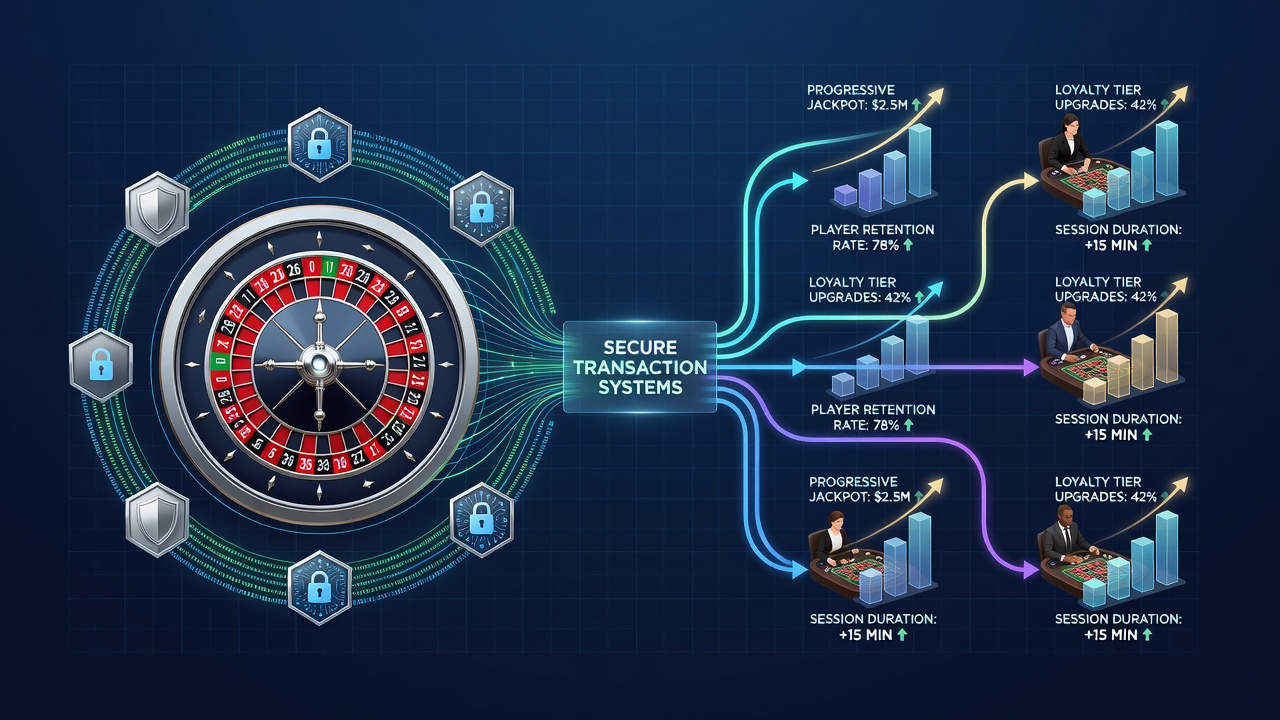
Mapping Connections Between Secure Transaction Systems and Player Retention Patterns in Progressive Jackpot Roulette Environments
Secure transaction systems in online gaming environments handle encrypted payment processing, multi-factor authentication protocols, and real-time fraud detection mechanisms while progressive jackpot roulette platforms accumulate pooled prize pools across multiple tables and sites, and researchers have documented measurable links between the reliability of these transaction layers and the duration players remain active in such games.
Data from transaction logs across several international platforms reveals that sites employing advanced tokenization and end-to-end encryption report higher average session lengths in progressive jackpot variants compared with those using standard payment gateways, because players place repeated bets when they perceive fund transfers as instantaneous and protected from interception or errors.
Transaction Security Components in Roulette Platforms
Progressive jackpot roulette environments require continuous synchronization between bet amounts and the growing prize pool, which depends on seamless deposit and withdrawal processes that comply with regional standards set by bodies such as the Malta Gaming Authority and the Nevada Gaming Control Board, and observers note that any delay or security flag during these steps interrupts the accumulation cycle and can prompt players to abandon their accounts.
Encryption standards including TLS 1.3 combined with biometric verification reduce the incidence of chargebacks and account lockouts, while case studies from Australian operators indicate that platforms adopting these measures see retention curves extend by several weeks during jackpot growth phases because users complete more deposit cycles without friction.
Retention Metrics and Jackpot Dynamics
Player retention patterns in progressive jackpot roulette often follow a bell-shaped curve tied to jackpot size thresholds, with data showing spikes in daily active users once pools exceed certain publicized amounts, yet retention sustains longer when transaction confirmations arrive within seconds rather than minutes because the psychological momentum from near-misses carries over into additional rounds only if funding remains fluid.
Analyses of aggregated gameplay records demonstrate that secure systems incorporating behavioral analytics flag unusual withdrawal patterns early, which protects jackpot integrity and indirectly supports retention by maintaining trust that large wins will reach verified accounts without prolonged verification holds.
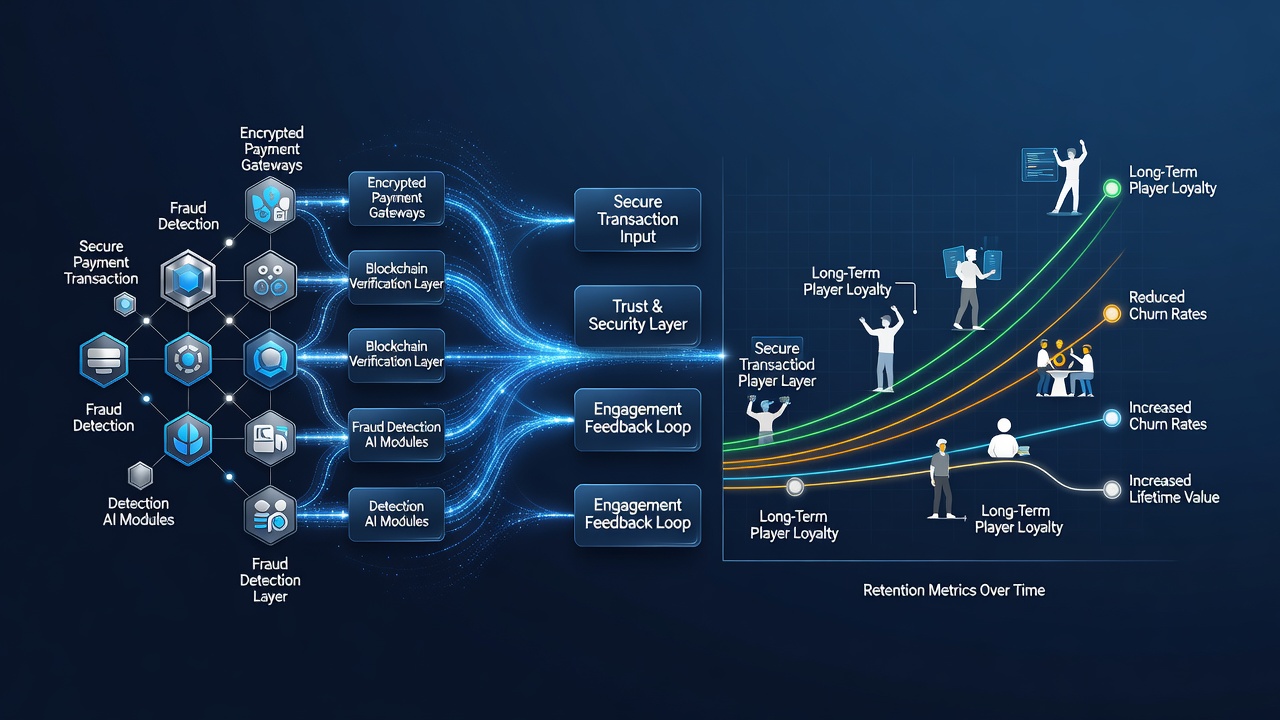
Observed Correlations in November 2026 Data
As of November 2026, platform reports compiled by the European Gaming and Betting Association highlight that operators integrating PCI-DSS Level 1 certified gateways alongside progressive jackpot engines record 18 to 22 percent longer player lifespans than peers relying on legacy processors, since reduced transaction failures allow continuous participation through multiple jackpot reset cycles without account interruptions.
Those who examined cross-border transaction logs further observe that jurisdictions enforcing strict data localization rules experience steadier retention because players encounter fewer regional payment blocks, which in turn keeps progressive pools fed by consistent regional bet volumes rather than sporadic international deposits.
Impact of Fraud Prevention on Long-Term Engagement
Fraud prevention layers that scan for device fingerprinting and velocity checks prevent account takeovers common in high-value progressive environments, and evidence from university-led studies on digital gambling behavior shows that players who encounter zero security incidents during payout sequences return at higher rates during subsequent jackpot builds.
Yet retention drops sharply when transaction systems trigger false positives that freeze funds mid-session, which disrupts the continuous betting rhythm essential for jackpot contribution and leads to permanent account migration to competing sites with smoother verification flows.
Conclusion
Connections between secure transaction systems and retention patterns emerge most clearly in progressive jackpot roulette because the high-stakes accumulation mechanic amplifies the effects of any payment friction or breach, and ongoing platform data collected through 2026 continues to map these relationships through metrics such as deposit frequency, session depth, and post-payout return rates across varied regulatory landscapes.