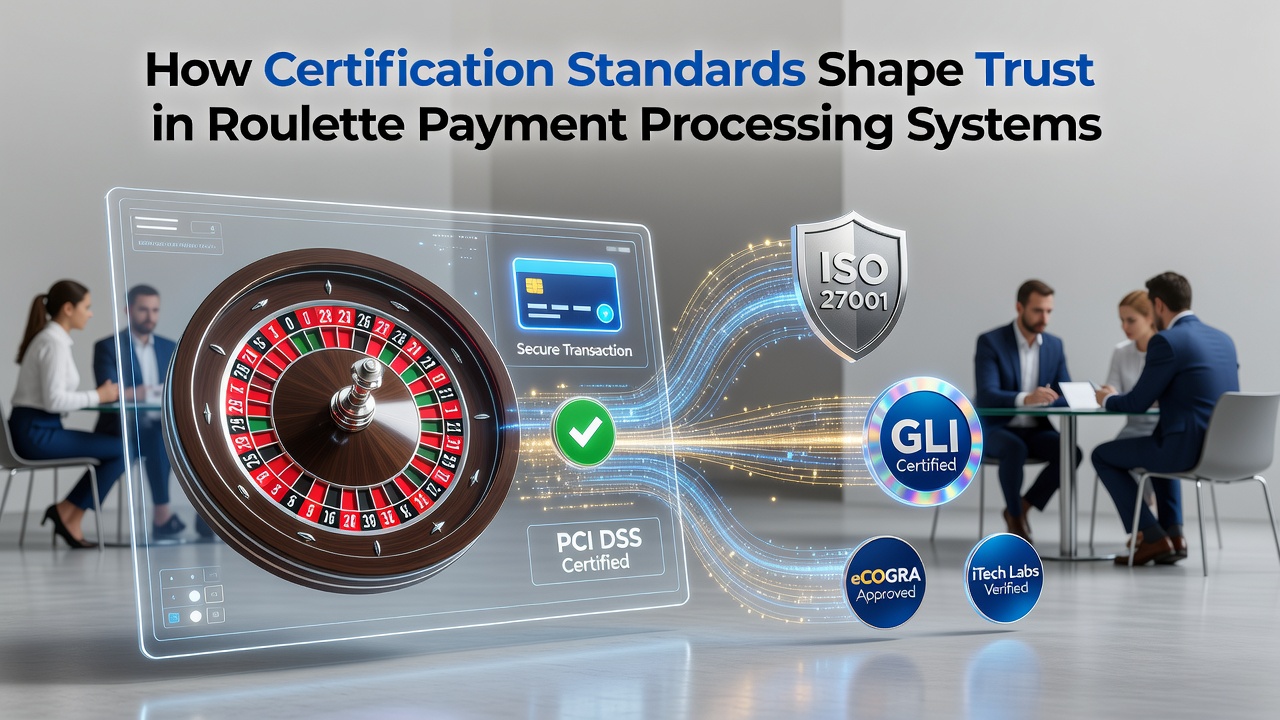
How Certification Standards Shape Trust in Roulette Payment Processing Systems
Certification standards establish clear benchmarks for security and reliability in roulette payment processing, and operators who meet these benchmarks demonstrate compliance through regular audits that verify encryption protocols, data handling procedures, and transaction integrity. Research from industry reports indicates that platforms holding active certifications experience fewer security incidents, which in turn supports consistent player confidence across regulated markets. Data shows that payment systems certified under frameworks like PCI DSS process millions of transactions monthly while maintaining strict controls that prevent unauthorized access and ensure accurate fund transfers during roulette sessions.
Core Standards Driving Payment Security
PCI DSS requirements outline specific measures for protecting cardholder data, and these rules apply directly to roulette sites where players deposit and withdraw funds through various methods including cards, e-wallets, and bank transfers. Observers note that compliance involves annual assessments, vulnerability scans, and ongoing monitoring, all of which reduce the risk of breaches that could compromise player accounts. Studies found that organizations achieving Level 1 compliance report measurable decreases in fraud attempts, since the standard mandates tokenization and strong access controls that limit exposure during high-volume roulette play periods.
ISO 27001 certification adds another layer by focusing on information security management systems, and this framework requires documented policies for risk assessment and incident response that directly affect how payment data flows through roulette platforms. Those who have examined certification impacts observe that ISO-certified processors often integrate these policies with PCI controls, creating layered defenses that address both technical vulnerabilities and operational procedures. In October 2026, scheduled revisions to certain ISO guidelines are expected to emphasize cloud-based transaction security, which will influence how operators update their roulette payment infrastructures to maintain certification status.
Role of Independent Testing Laboratories
Independent labs conduct evaluations of random number generators and payment reconciliation processes, and their seals of approval signal that roulette outcomes and associated financial settlements meet predefined fairness and accuracy criteria. Evidence suggests that sites displaying these certifications attract higher transaction volumes because players recognize the external validation as proof that systems operate without manipulation. Researchers discovered that certified laboratories perform ongoing tests rather than one-time checks, which allows detection of any deviations in payment processing speed or payout accuracy over time.
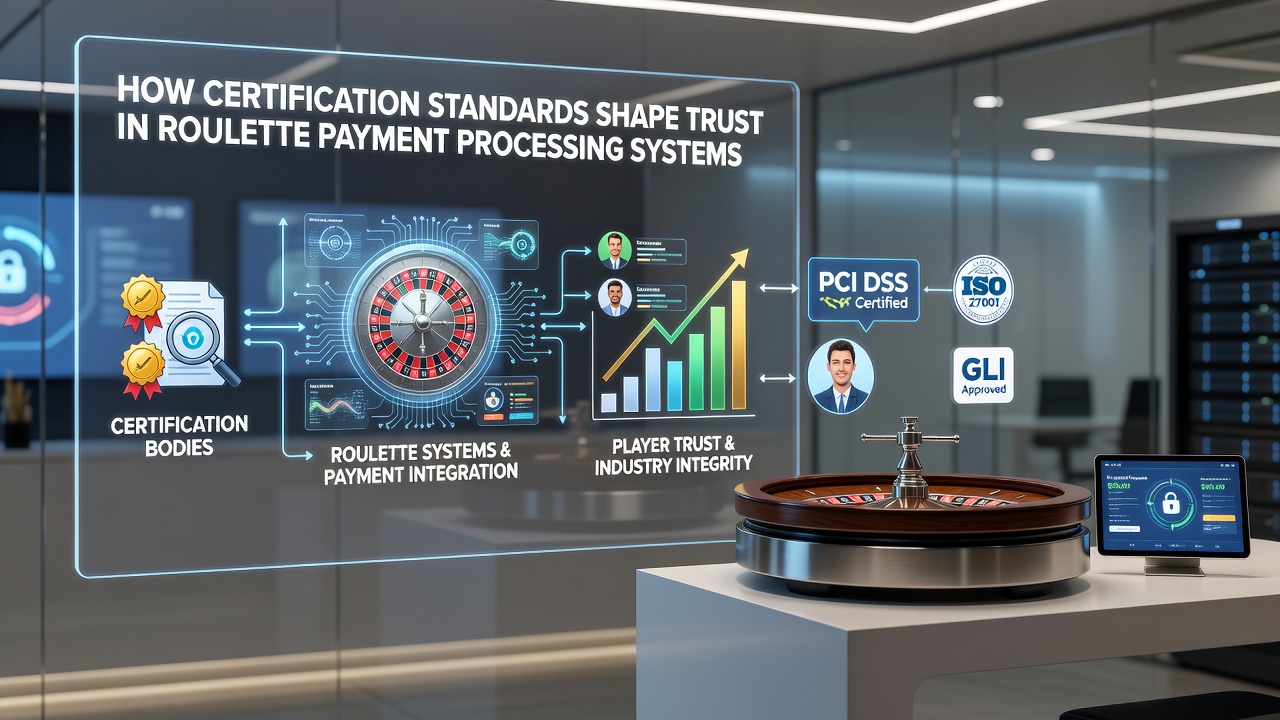
Take one case where a European operator expanded its roulette offerings after obtaining fresh certifications from recognized testing bodies, and transaction data revealed a noticeable uptick in verified withdrawals within the first quarter following the announcement. What's interesting is how these lab reports often include detailed metrics on encryption strength and server response times, giving operators concrete evidence to share with regulatory bodies during license renewals. The reality is that without such third-party involvement, payment systems would lack the transparent benchmarks that help distinguish compliant platforms from those still working toward full certification.
Regional Regulatory Alignment and Market Effects
Regulatory bodies in multiple jurisdictions reference certification standards when granting or renewing iGaming licenses, and this alignment creates consistency in how roulette payment systems handle cross-border transactions. Figures reveal that markets requiring PCI DSS and similar certifications see lower rates of disputed charges, since the standards enforce clear audit trails that resolve player inquiries quickly and accurately. According to the PCI Security Standards Council, certified entities must demonstrate continuous improvement in security practices, which supports long-term trust in roulette environments where rapid deposits and withdrawals form a core part of the experience.
Another source comes from the European Gaming and Betting Association, whose reports track how certification uptake correlates with increased player retention across member states. Observers note that operators who invest in maintaining multiple overlapping certifications often benefit from streamlined compliance when entering new markets, because the documented security measures already satisfy many local requirements. This interconnected approach means that a single certification renewal can support payment processing stability for roulette games offered in several regions simultaneously.
Conclusion
Certification standards continue to influence how trust develops around roulette payment processing by providing measurable, auditable criteria that operators must meet to handle funds securely. Data indicates sustained growth in certified transaction volumes as more platforms adopt these frameworks, and the scheduled updates in October 2026 will likely reinforce existing requirements while introducing new focus areas around emerging technologies. Researchers continue to track the direct connection between certification adherence and reduced operational disruptions, showing that these standards function as foundational elements rather than optional enhancements in the broader landscape of regulated roulette services.